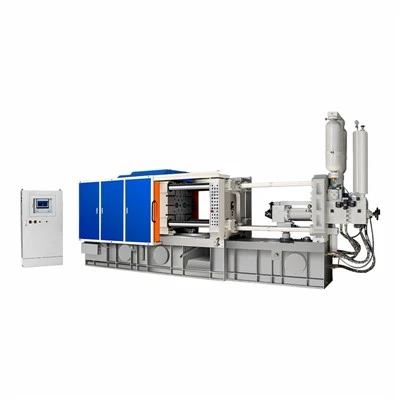
Hydraulic Drive Kneader
Product Introduction
Cold rubber blocks can hold the shafts at start and then release as the first fold opens. In a hazardous area, placing a conventional motor and switching hardware beside the chamber can complicate the safety review. This hydraulic arrangement sends pressure from a remote pump station to the chamber through a defined hose route; the relief path gives a known response if the blades stop.
Product Parameter (Specification)
|
Model |
Total Capacity (L) |
Working Capacity (L) |
Motor Power (KW) |
Blade Speed (RPM) |
Discharge Method |
Heating/Cooling Method |
|
NH/NHZ-0.25 |
0.25 |
0.3 |
0.55 |
48/36 |
Tilting Discharge |
Electric Heating / Steam Heating / Water-Cooled / External Circulation Heating/Cooling |
|
NH/NHZ-0.5 |
0.5 |
0.5 |
0.55 |
48/36 |
||
|
NH/NHZ-1 |
1 |
1 |
1.1 |
48/36 |
||
|
NH/NHZ-2 |
2 |
2 |
1.1 |
48/36 |
||
|
NH/NHZ-5 |
5 |
5 |
1.5 |
48/36 |
Tilting Discharge / Screw Extruding Discharge / Ball Valve Discharge / Custom Discharge |
|
|
NH/NHZ-10 |
10 |
10 |
2.2 |
48/36 |
||
|
NH/NHZ-20 |
20 |
14 |
4 |
48/36 |
||
|
NH/NHZ-50 |
50 |
35 |
7.5 |
40/30 |
||
|
NH/NHZ-100 |
100 |
70 |
11 |
36/24 |
||
|
NH/NHZ-200 |
200 |
140 |
15 |
36/24 |
||
|
NH/NHZ-300 |
300 |
210 |
22 |
36/24 |
||
|
NH/NHZ-500 |
500 |
350 |
37 |
36/24 |
||
|
NH/NHZ-1000 |
1000 |
700 |
55 |
36/24 |
||
|
NH/NHZ-1500 |
1500 |
1050 |
55 |
36/24 |
||
|
NH/NHZ-2000 |
2000 |
1400 |
75 |
32/22 |
||
|
NH/NHZ-3000 |
3000 |
2100 |
110 |
32/22 |
||
|
NH/NHZ-4000 |
4000 |
2800 |
160 |
30/20 |
||
|
NH/NHZ-5000 |
5000 |
3500 |
200 |
30/20 |
||
|
NH/NHZ-6000 |
6000 |
4200 |
200 |
30/20 |
||
|
NH/NHZ-7000 |
7000 |
4900 |
220 |
30/20 |
||
|
NH/NHZ-10000 |
10000 |
7000 |
300 |
30/20 |
||
|
The above parameters are for reference only, and specific parameters need to be adjusted according to the materials. |
||||||
Product Features & Application
Start the selection with the block condition and the available installation zone. Hydraulic motors build force at low shaft speed, so the blades can open a resistant charge without a large electric motor beside the trough. Hose route, power-unit position and relief setting are agreed with maintenance and safety staff before fabrication.
WEG motor drives the hydraulic power unit; Guomao transmission, Siemens control and Schneider panel components support the circuit. We dry-run the relief and interlock logic before material is introduced.
Core Components & Features
When the chamber and pump station are separate, the buyer needs to see where each decision lives. The five hardware items below follow the force path from motor and reducer to control, bearing and panel.


WEG Motor
The WEG motor is specified from pump pressure and flow, not from chamber volume. It gives the remote power unit a dependable source while leaving the chamber free of the usual electric motor.
Guomao Gear Reducer
If the final drive uses a reducer, Guomao components are chosen around hydraulic-motor torque and shaft speed. The selection is checked for a steady transfer of force and for access during routine service.
Siemens Inverter
The Siemens inverter controls the pump-motor ramp. It lets a cold start build pressure without a hard step and gives the operator a slower response when the downstream process needs it.
NSK Bearing
NSK bearings carry rotor load from cold blocks and dense resin. Keeping the shafts aligned protects seals and reduces drag, which makes the hydraulic circuit feel more predictable at the operator station.
Schneider Electrical Components
Schneider components form the electrical layer at the separate power station. We match the cabinet to the supply, emergency stop and hazardous-area boundary agreed with the site.
Applications
Hydraulic drive is selected when starting resistance, electrical separation or overload behaviour matters. The examples below are typical starting points for material testing and a site safety review.

Rubber & Plastics
Cold rubber and stiff polymer blocks need force before they become workable. Fluid power lets the line build that force at low speed instead of asking a conventional motor to absorb the whole stall condition.

Chemical & Adhesive Materials
Dense resins and solvent-related compounds may be easier to manage when the pump station sits outside the immediate process area. Hose length, seals and the area boundary can then be reviewed with the plant safety team.

Carbon & New Materials
Carbon pastes and filled materials may be hardest to start after a long stop. Pressure relief and an adjustable hydraulic response give the operator a clearer restart routine.

Laboratory & R&D
For pilot work in a hazardous or restricted area, keeping the electrical power unit away from the chamber can simplify the trial layout. The facility and its safety review still decide the final scope.
Production Details
The exterior view makes the power path easy to follow: remote hydraulic station, protected hoses, motor, reducer and the frame carrying the mixing load. Service points remain visible around the chamber.


Hydraulic drive and torque path
Before fabrication, we confirm pressure, flow, relief setting, hose routing, seal type and the electrical area classification. Those decisions become the installation and service plan, not just a line in the quotation.
Product Qualification & Inspection Support
At PDI we can run the pump and motor, hold pressure, check relief response, record bearing temperature, inspect hoses and manifolds, review welds and test the control interlocks. CE/EMC examples are reference images; the final hydraulic and electrical records follow the destination market.


Delivery, Shipping and Service
After the test fluid is drained, ports are sealed and the heavy base is bolted to a steel skid for crating. Container-loading photographs and hose-connection notes help the installation team plan flushing and commissioning. A 12-month warranty and remote support are included.
FAQ
Q: Why choose hydraulic drive for a cold rubber start?
A: Hydraulic motors can build force while turning slowly, so a cold block can be opened without demanding a large electric starting current. Pressure and flow are sized from the recipe.
Q: What protects the machine if the blades jam?
A: A pressure-relief path allows fluid to bypass the hydraulic motor when the agreed limit is reached. The setting is confirmed during testing so the machine stops without turning a jam into a broken shaft.
Q: Can the power unit be installed outside a hazardous area?
A: Often, yes. The pump station and electrical cabinet can be separated from the chamber, subject to the site classification, hose length and customer safety design.
Hot Tags: hydraulic drive kneader, China hydraulic drive kneader manufacturers, suppliers, factory, drive type kneader mixer series, hydraulic mixer, motor reducer kneading machine, precision kneading machine, servo motor kneader, standard motor kneader