Explore Our Sigma Mixer Range
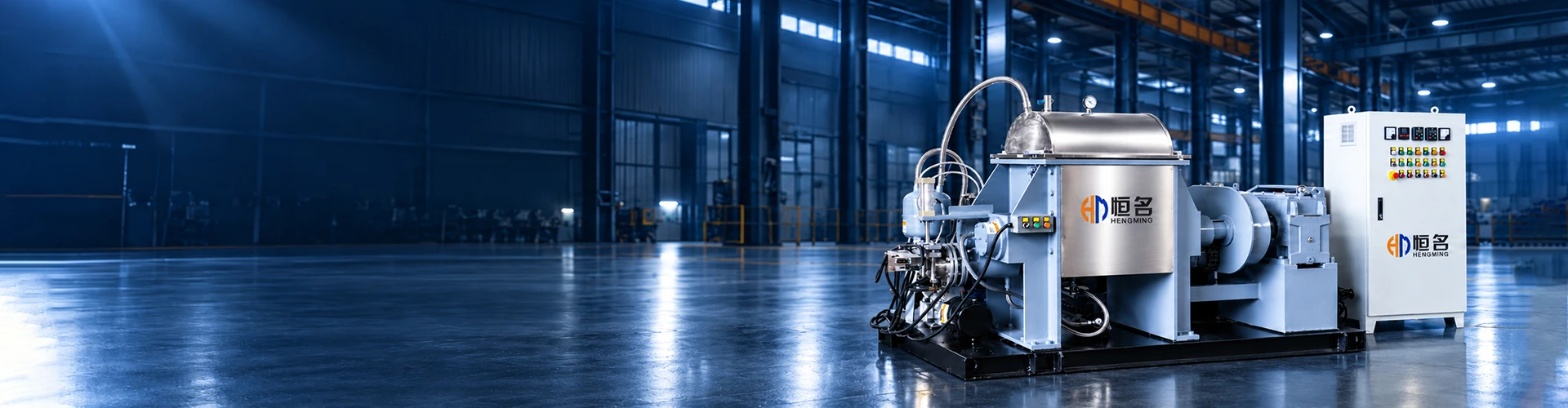
From laboratory development to large-scale production, HengMing sigma mixers cover a wide capacity range and can be configured around different materials, process conditions, and discharge requirements.
-
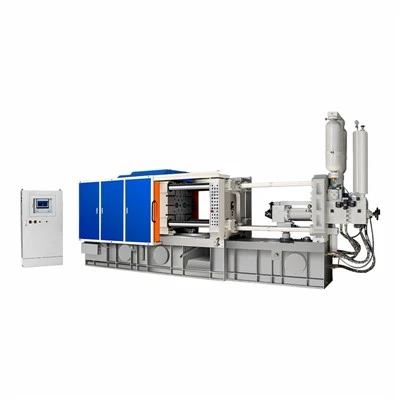
![Z-shaped Kneading Machine]() Z-shaped Kneading MachineA heavy-duty Z-shaped kneading machine for silicone rubber, hot-melt adhesives and other very high-viscosity compounds. The overlapping Z blades, rigid frame and global drive components are...view more
Z-shaped Kneading MachineA heavy-duty Z-shaped kneading machine for silicone rubber, hot-melt adhesives and other very high-viscosity compounds. The overlapping Z blades, rigid frame and global drive components are...view more -
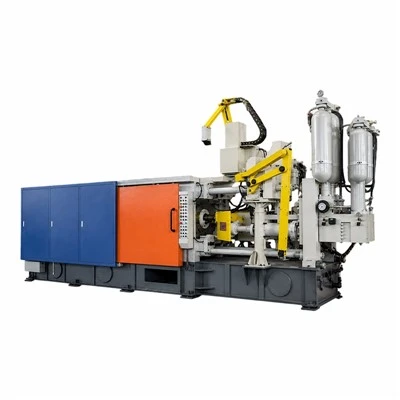
![Rubber Kneader]() Rubber KneaderThis rubber kneader range runs from the NH/NHZ-0.25 bench-scale size to the NH/NHZ-10000 production size. As a quick reference, the NH/NHZ-20 table entry is 20 L total capacity with a 4 kW motor,...view more
Rubber KneaderThis rubber kneader range runs from the NH/NHZ-0.25 bench-scale size to the NH/NHZ-10000 production size. As a quick reference, the NH/NHZ-20 table entry is 20 L total capacity with a 4 kW motor,...view more -
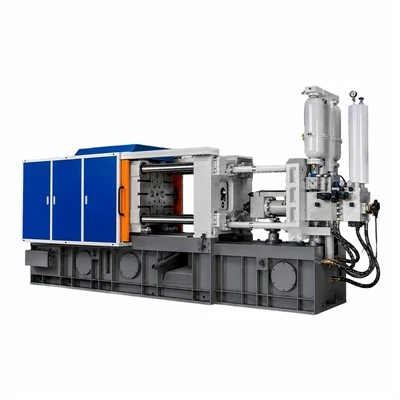
![Sigma Mixer]() Sigma MixerA heavy-duty Sigma mixer for rubber, food paste and other high-viscosity materials. The NH/NHZ table runs from 0.25 L total capacity to 10,000 L, with the final working volume, motor and discharge...view more
Sigma MixerA heavy-duty Sigma mixer for rubber, food paste and other high-viscosity materials. The NH/NHZ table runs from 0.25 L total capacity to 10,000 L, with the final working volume, motor and discharge...view more -
![Food Kneader]() Food KneaderA food kneader for thick pastes, dough bases and confectionery ingredients. Polished stainless contact parts, a rigid drive and a cleanable layout support dependable batch turnover without...view more
Food KneaderA food kneader for thick pastes, dough bases and confectionery ingredients. Polished stainless contact parts, a rigid drive and a cleanable layout support dependable batch turnover without...view more -
![Pharmaceutical Kneader]() Pharmaceutical KneaderA pharmaceutical kneader for dense medical pastes, dental compounds and tablet-binder materials. Rigid shaft support, polished stainless contact construction and a cleanable layout help reduce oil...view more
Pharmaceutical KneaderA pharmaceutical kneader for dense medical pastes, dental compounds and tablet-binder materials. Rigid shaft support, polished stainless contact construction and a cleanable layout help reduce oil...view more -
![Chemical Kneader]() Chemical KneaderA chemical kneader for reactive resins, silicone compounds and high-viscosity chemical pastes. The rigid frame, aligned shafts and configurable sealing package are specified to keep torque and...view more
Chemical KneaderA chemical kneader for reactive resins, silicone compounds and high-viscosity chemical pastes. The rigid frame, aligned shafts and configurable sealing package are specified to keep torque and...view more -
![Ceramic Kneader]() Ceramic KneaderA ceramic kneader for refractory mud, silicon carbide and other abrasive, low-moisture compounds. Hardened contact surfaces and a torque-focused drive help protect batch purity while the machine...view more
Ceramic KneaderA ceramic kneader for refractory mud, silicon carbide and other abrasive, low-moisture compounds. Hardened contact surfaces and a torque-focused drive help protect batch purity while the machine...view more -
![Lithium Battery Materials Kneader]() Lithium Battery Materials KneaderA lithium battery materials kneader for graphite, silicon-carbon and other high-solid battery pastes. Rigid clearances, torque-capable drive components and contamination-focused inspection help...view more
Lithium Battery Materials KneaderA lithium battery materials kneader for graphite, silicon-carbon and other high-solid battery pastes. Rigid clearances, torque-capable drive components and contamination-focused inspection help...view more -
![Vacuum Kneader]() Vacuum KneaderA vacuum kneader for rubber, plastics and compounds that retain air or volatile content. Rigid shaft alignment, isolated sealing and a vacuum system help remove moisture and trapped gas without...view more
Vacuum KneaderA vacuum kneader for rubber, plastics and compounds that retain air or volatile content. Rigid shaft alignment, isolated sealing and a vacuum system help remove moisture and trapped gas without...view more -
![Pressure Kneader]() Pressure KneaderA hydraulic pressure kneader for rubber blocks, EVA resin and other light or resilient feedstock that tends to ride above the blades. The pressure lid brings that material into the working zone....view more
Pressure KneaderA hydraulic pressure kneader for rubber blocks, EVA resin and other light or resilient feedstock that tends to ride above the blades. The pressure lid brings that material into the working zone....view more -
![Horizontal Kneader]() Horizontal KneaderA horizontal kneader for resins, filled pastes and high-viscosity compounds that need high batch utilization. CNC-controlled internal clearances and a configurable discharge help reduce hold-up...view more
Horizontal KneaderA horizontal kneader for resins, filled pastes and high-viscosity compounds that need high batch utilization. CNC-controlled internal clearances and a configurable discharge help reduce hold-up...view more -
![Heated Kneader]() Heated KneaderA heated kneader for solid resins, hot-melt adhesives and other compounds that need to soften before they will fold. The standard design temperature is 230 °C. Electric rods, steam and thermal-oil...view more
Heated KneaderA heated kneader for solid resins, hot-melt adhesives and other compounds that need to soften before they will fold. The standard design temperature is 230 °C. Electric rods, steam and thermal-oil...view more


Why Sigma Mixing Works Where Ordinary Mixing Struggles
Sigma mixing combines powerful kneading, folding, compression, and shear to work through materials that become too dense, sticky, or resistant for conventional agitators. Instead of relying on speed alone, the dual sigma blades keep the material moving through the mixing zone under sustained torque.
The drive and blade system are built to maintain effective kneading under heavy material load, where ordinary mixers can begin to lose circulation and mixing efficiency.
Continuous folding, compression, and shear help distribute powders, fillers, pigments, binders, and additives more evenly throughout dense formulations.
Temperature, vacuum, blade speed, mixing time, and discharge can be configured to suit the formulation and the way the material changes during processing.
When mixing conditions are better controlled and the material is worked more uniformly, batch-to-batch variation becomes easier to reduce as production scales up.
Applications
Built for Materials That Resist Ordinary Mixing
Sigma mixers are designed for materials that are too viscous, sticky, dense, or heavily filled for conventional agitation. From rubber and sealants to carbon compounds, food formulations, and laboratory development, the mixing process can be adapted to very different material behaviors and production goals.

Silicone Rubber · PDMS · Rubber Compounds · Plastic Compounds · Color Masterbatch
For rubber and plastic formulations, a rubber kneader or plastic compounding kneader uses intensive kneading to work fillers, pigments, additives, and other ingredients into highly viscous formulations while promoting more uniform dispersion throughout the batch.
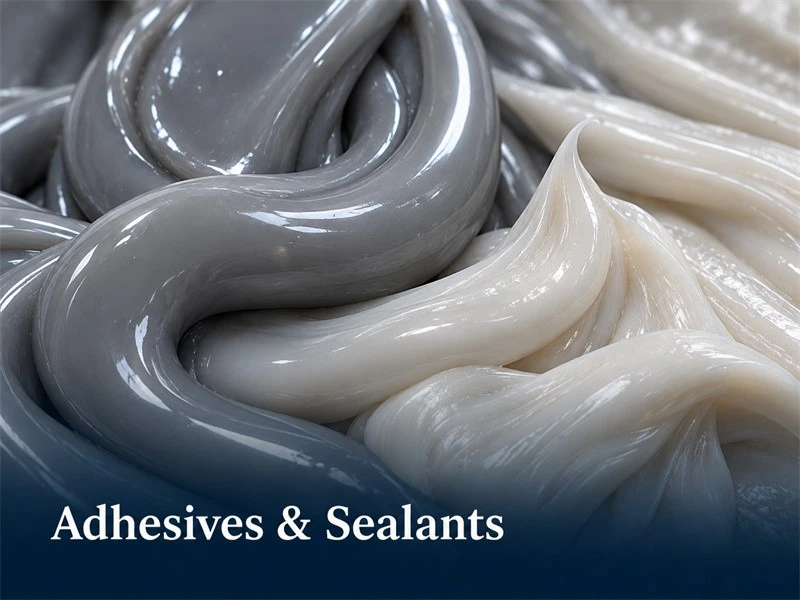
Sealants · Structural Adhesives · Putty · Fireproof Compounds
For sticky, filler-rich sealants and adhesives, a chemical kneader can combine controlled kneading with optional vacuum processing to help reduce trapped air when the process requires it.

BMC · CMC · Filled Resin Compounds · Composite Compounds
High torque and repeated folding help combine fibers, powders, resins, pigments, and other heavily loaded ingredients into a more homogeneous compound.

Carbon Paste · Graphite Compounds · Electrode Paste
Built for dense, heavily filled materials where thorough kneading and consistent binder distribution are critical to downstream forming and production stability.

Dough · Gum Base · Chewing Gum · Chocolate-Based Formulations
A food kneader provides powerful low-speed kneading that can be combined with temperature control to process dense food formulations without depending on high-speed agitation.

HPMC · Carbomer · Pastes · High-Viscosity Formulations
A pharmaceutical kneader can combine flexible control of speed, temperature, vacuum, and discharge so the mixing process can be adapted to formulation-sensitive materials and controlled production requirements.

Formula Development · Material Trials · Process Validation · Scale-Up Testing
Compact laboratory kneaders allow new formulations and difficult materials to be tested under controlled conditions before moving into larger production equipment, helping reduce uncertainty during process development and scale-up.

Modeling Clay · Kinetic Sand · Putty · Creative Compounds
Strong kneading and folding help distribute pigments, fillers, oils, binders, and other ingredients evenly to produce soft, workable, and consistent creative materials.

Know What You’re Getting Before It Leaves Our Hands
A sigma mixer project should not depend on specifications alone. From material evaluation and configuration confirmation to production updates, testing, PDI, and packing, HengMing keeps the critical stages visible and verifiable throughout the project.
Material & Process Review
Your Material Defines the Machine
We first review your material, formulation, batch target, process conditions, and discharge requirements before defining the machine configuration. When the process is uncertain, material trials can be arranged to help verify mixing behavior before the final equipment decision.
>>
Configuration Confirmation
Define the Machine Before Production Begins
Capacity, drive system, blade design, temperature control, vacuum, discharge method, controls, and other project-specific requirements are confirmed before production moves forward.
>>
Transparent Production
See the Project as It Takes Shape
Production progress is documented with photos, videos, and project updates at key stages, giving you visibility into how your machine is being built instead of waiting until completion to see the result.
No Black Box Between Order and Completion.
>>
Testing & PDI
Verified Before You Pay the Final Balance
Before final payment, HengMing carries out machine testing and prepares the PDI documentation with photos and videos for your review. You approve the machine first — then arrange the final balance.
>>
Packing & Delivery Records
Documented Through the Final Handover
Packing condition, accessories, shipment preparation, and loading are documented with photos or videos where applicable, giving you a clear record of the machine before it leaves for delivery.

Compliance & Support Beyond Delivery
From compliance documentation to inspection, warranty, and after-sales service, HengMing supports your project beyond machine delivery.
CE Compliance
CE certificates and supporting test reports are available for our sigma mixers, helping support documentation and compliance requirements for international projects.
Third-Party Inspection
Independent pre-shipment inspection by organizations such as SGS or Bureau Veritas can be arranged when required by the customer.
12-Month Warranty
Our overseas warranty runs for 12 months from arrival at the destination port. For non-human-caused failures within the warranty period, replacement parts are provided free of charge, with freight borne by the customer.
Support Beyond Delivery
Remote commissioning and technical guidance are available after delivery. On-site installation and training can also be arranged when required, with long-term spare parts and technical support available beyond the warranty period.
FAQ

1. What materials can a sigma mixer process?
Sigma mixers are particularly suitable for materials that become too viscous, sticky, dense, or heavily filled for conventional agitators. Typical applications include silicone rubber, rubber and plastic compounds, adhesives, sealants, BMC/DMC, carbon and electrode paste, graphite compounds, gum base, chewing gum, dough, modeling clay, putty, and other high-viscosity formulations.
The right setup still depends on how the material behaves during mixing. Factors such as filler loading, temperature sensitivity, air entrapment, abrasiveness, and discharge difficulty can all affect the final mixer configuration.
2. How do I choose the right sigma mixer capacity?
The correct capacity should be based on the actual batch and production target, not vessel volume alone.
We normally consider the material density, batch weight, recommended filling level, expected mixing time, required daily output, and the way the mixer fits into the rest of the production process. For example, two customers producing the same material may need different mixer sizes if their batch cycle or daily output targets are different.
If you only know the required output and are unsure about the mixer volume, HengMing can work backward from your production requirement to recommend a suitable capacity.
3. What sigma mixer capacities are available?
HengMing sigma mixers are available from 0.25L laboratory units up to 10,000L industrial systems.
The smaller 0.25L–10L range is mainly used for formulation development, material trials, research, and process validation. Larger machines from 20L upward are designed for pilot production and industrial manufacturing, with the drive system, power, discharge method, and other configurations matched to the material and required output.
For very large capacities, the machine is engineered according to the specific process and production conditions rather than simply enlarging a smaller standard model.
4. When should I use a vacuum sigma mixer?
A vacuum kneader, also commonly referred to as a vacuum sigma mixer or vacuum mixer, is useful when trapped air, bubbles, moisture, or volatile components can affect product quality or downstream processing.
It is commonly considered for products such as sealants, adhesives, silicone compounds, pastes, and other formulations where deaeration is important. However, high viscosity alone does not automatically mean that vacuum is necessary.
Whether a vacuum system should be included depends on the formulation, the required final product condition, and the process you are currently using.
5. Can a sigma mixer be heated or cooled?
Yes. Depending on the process, a sigma mixer can be configured as a heated kneader, a cooled kneader, or a system capable of both heating and cooling.
Temperature control may be needed to soften a material, control viscosity, support dispersion, maintain a reaction or processing temperature, or remove heat generated during intensive kneading. The suitable heating or cooling method depends on the target temperature, material characteristics, batch size, and available utilities at your plant.
Heating or cooling is specified from the actual temperature range and material behavior, not simply added as an option.
6. What is the difference between tilting discharge and screw extrusion discharge?
With a hydraulic tilting discharge kneader, the batch is emptied by rotating or tilting the mixing chamber. This relatively simple discharge approach works well for many materials that can leave the chamber without excessive resistance.
A screw extrusion kneader uses an extrusion screw to push highly viscous or sticky material out of the mixer in a more controlled way. It is often preferred when manual discharge is difficult or when the material needs to feed directly into a downstream process.
The better option depends on material consistency, batch size, required discharge speed, cleaning requirements, and what happens to the material after mixing.
7. Can you test my material before I order a sigma mixer?
Yes. When there is uncertainty about whether a formulation is suitable for sigma mixing, or when the customer is still developing the process, a pre-order material trial can be arranged.
During the trial, the focus is not only on whether the material can be mixed. We can also observe how the material changes during kneading, whether heating or vacuum may be necessary, how easily it discharges, and what equipment configuration may be more suitable for scale-up.
The test process can be documented with photos and videos so the customer can review the result remotely before making the final equipment decision.
8. Can a sigma mixer be customized for my process?
Yes. A sigma mixer should be configured around the material and production process rather than selected only by capacity.
Depending on the application, the machine can be adapted in areas such as blade design, drive system, motor power, speed control, heating or cooling, vacuum, discharge method, material-contact surfaces, control system, and downstream integration.
Customization should solve a process requirement, not make the machine more complicated. Every option is selected for a reason — how your material mixes, discharges, or fits into production.
9. How do I verify the sigma mixer before paying the final balance?
Before final payment, HengMing carries out machine testing and prepares a PDI package for the customer to review.
Depending on the project, the PDI can include the machine configuration, functional testing, operating condition, photos, videos, and other order-specific inspection items. You review the evidence and confirm that the machine meets the agreed requirements before arranging the final balance.
This gives the customer a clear verification point between machine completion and final payment, rather than relying only on specifications or sales promises.
10. What warranty and after-sales support do you provide?
For overseas projects, HengMing provides a 12-month warranty starting from the machine’s arrival at the destination port.
If a non-human-caused component failure occurs during the warranty period, the required replacement part is provided free of charge, while international freight is borne by the customer. Remote technical support and repair guidance are also available.
After the warranty period, HengMing continues to provide technical support and spare parts on a long-term basis. Remote commissioning is available, and on-site installation or operator training can also be arranged when required.
As one of the most professional kneader mixer manufacturers and suppliers in China, we also support customized service. Please feel free to buy advanced kneader mixer for sale here and get pricelist from our factory. Quality products and reasonable price are available.