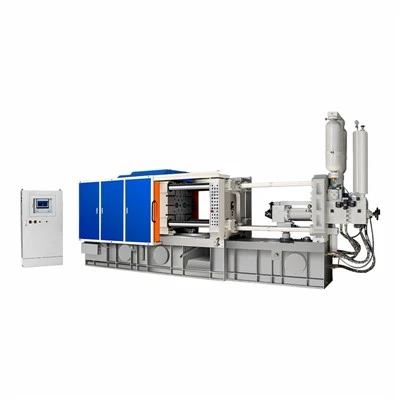
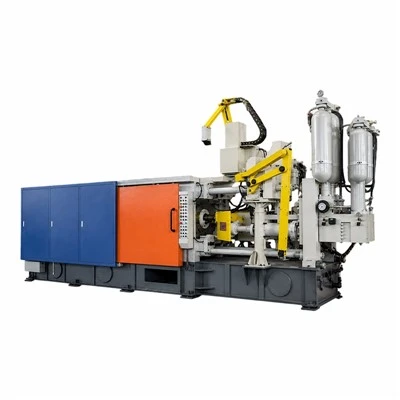
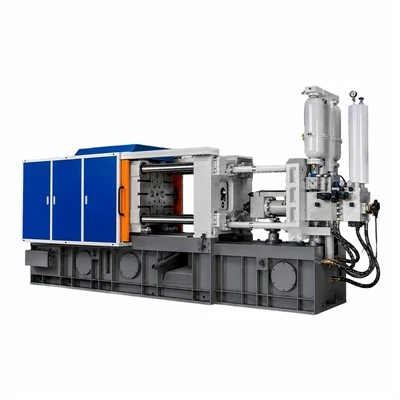
Generally speaking, the aluminum produced by die-casting machines is considered "wrought aluminum" (processed aluminum).
Concepts of Wrought Aluminum and Raw Aluminum
"Wrought aluminum" refers to finished aluminum products that have undergone multiple processing stages-such as smelting, alloying, and forming-making them suitable for the manufacture of aluminum products in various shapes. In contrast, "raw aluminum" refers to untreated pure aluminum or aluminum alloys containing impurities; it requires extensive smelting and processing to be converted into wrought aluminum.
Working Principle of Die-Casting Machines
A die-casting machine is a piece of casting equipment that melts aluminum or aluminum alloys and injects the molten metal into a mold to form aluminum products of various shapes. Die-casting machines are primarily categorized into cold-chamber and hot-chamber types; cold-chamber machines are suitable for casting high-melting-point alloys, whereas hot-chamber machines are suitable for low-melting-point alloys.
Properties of Die-Cast Aluminum
Physical Properties: Die-cast aluminum products are characterized by high density, hardness, strength, and rigidity.
Chemical Properties: The material exhibits high corrosion resistance, capable of withstanding various forms of chemical attack and oxidation.
Mechanical Properties: Die-cast aluminum products offer excellent machinability and mechanical performance, making them suitable for applications in sectors such as automotive manufacturing, electrical engineering, and construction.